
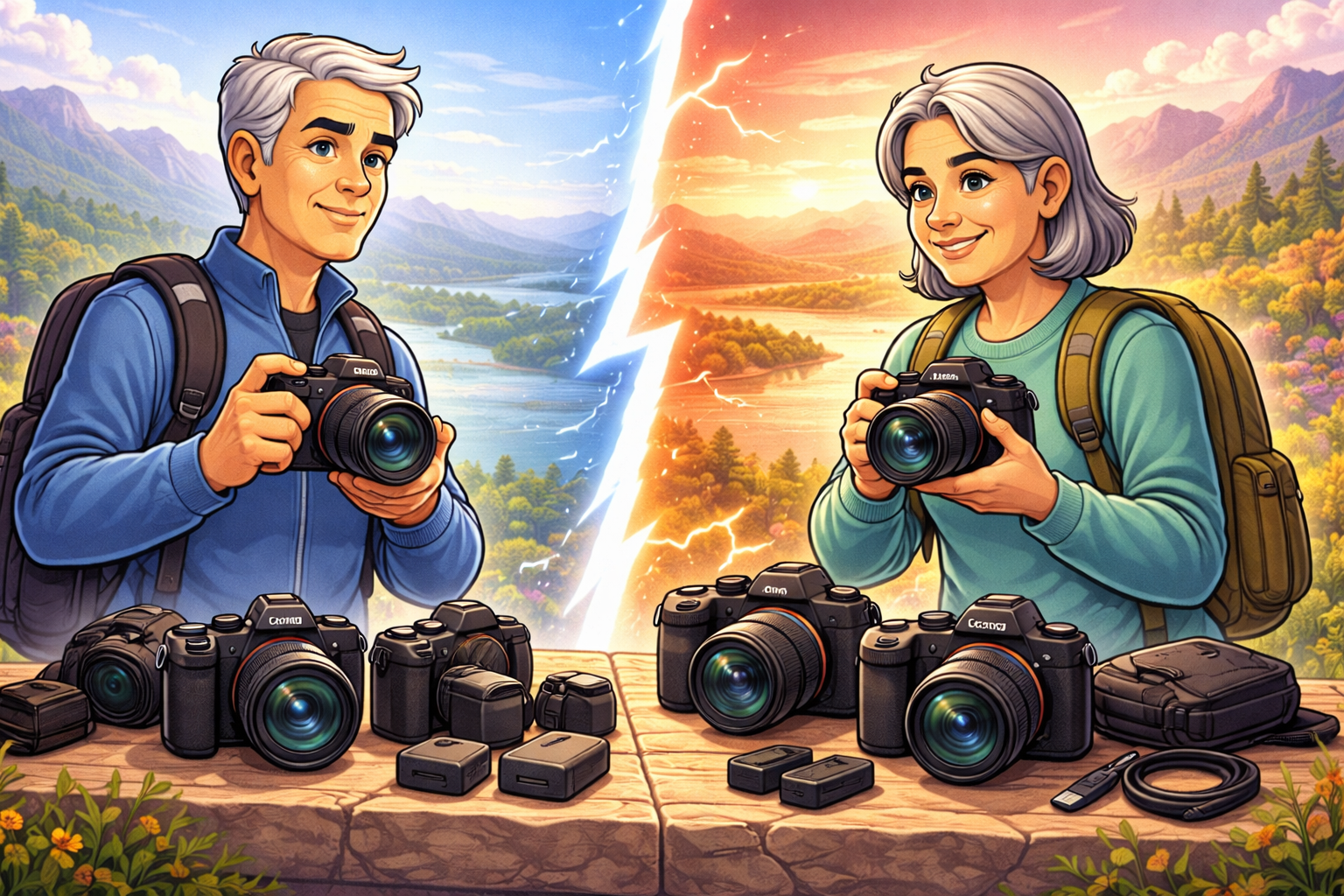
Sony vs Canon: Best Travel Camera 2026 Comparison
Sony vs Canon: Best Travel Camera 2026 Comparison
Choosing between Sony and Canon as your primary travel camera system in 2026 is no longer just a matter of brand preference. Both ecosystems are mature, powerful, and capable of producing professional-level results in compact mirrorless bodies.
The real challenge is deciding which system aligns better with how you actually travel, shoot, and create content.

If you are an aspiring or intermediate traveler looking for high-quality photos and video without carrying excessive gear, this comparison is for you. You are likely overwhelmed by options, specifications, and online opinions.
You want a camera that performs reliably in real-world travel conditions, supports both photography and video, and delivers professional-looking results without slowing you down.
This guide breaks down Sony vs Canon travel cameras in 2026 across image quality, portability, autofocus, video performance, lens ecosystems, and overall usability so you can make a confident decision.
Why Sony vs Canon Matters for Travel Cameras in 2026
Travel photography and video place unique demands on your gear. You are shooting in unpredictable lighting, moving quickly between environments, and often working handheld. You may be filming city streets one moment, landscapes the next, and indoor scenes later the same day.
Sony and Canon approach these challenges differently.
Sony prioritizes compact bodies, advanced autofocus systems, and a broad third-party lens ecosystem. Canon emphasizes intuitive ergonomics, color science, and dependable performance that feels familiar and predictable.
Neither approach is objectively better. The right choice depends on how you travel and what kind of content you produce.
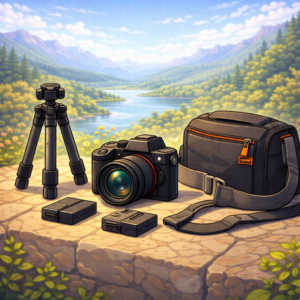
What Travel Creators Should Prioritize in 2026
Before comparing specific models, it helps to clarify what actually matters for travel use.
Portability Without Compromise
A travel camera must be light enough to carry all day but substantial enough to handle comfortably with lenses attached. Smaller bodies reduce fatigue, but poor ergonomics can make long shooting days frustrating.
You want:
-
A balanced grip with compact lenses
-
Lightweight but durable construction
-
Weather resistance to dust, humidity, and light rain
Autofocus That Works in Motion
Travel content rarely allows second chances. Autofocus performance matters more than burst speed or extreme resolution.
Look for:
-
Reliable face and eye detection
-
Strong subject tracking
-
Minimal focus hunting in low light
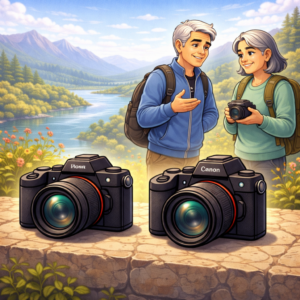
Hybrid Photo and Video Capability
In 2026, most travel creators shoot both photos and video. Your camera should handle both without forcing compromises.
You should expect:
-
Clean image files for photography
-
Stable, usable video without excessive setup
-
Simple switching between shooting modes
Lens Ecosystem for Travel
The camera body matters, but lenses define your experience. A strong travel system offers lightweight zooms, compact primes, and flexible options without high cost or bulk.

Sony Travel Cameras in 2026: Strengths and Trade-Offs
Sony has built its reputation on innovation, autofocus leadership, and compact full-frame mirrorless bodies.
Sony Travel Camera Philosophy
Sony focuses on:
-
Smaller bodies relative to performance
-
Industry-leading autofocus systems
-
Strong third-party lens support
-
Feature-dense cameras for hybrid creators
This approach appeals to travelers who want maximum capability in minimal space.
Recommended Sony Travel Cameras for 2026
Sony Alpha a7 IV
Style: Full-Frame Mirrorless
Manufacturer: Sony
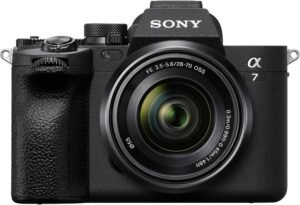
✅ Get Customer Reviews & Best Price
Pros:
-
Excellent full-frame image quality
-
Advanced autofocus with strong subject tracking
-
Compact for a full-frame body
-
Extensive lens ecosystem
Cons:
-
The menu system can feel complex
-
Full-frame lenses add weight quickly
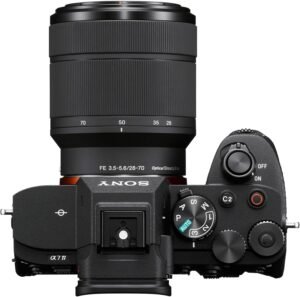
Beyond its core specifications, the Sony Alpha a7 IV fits particularly well into travel workflows where you move quickly between environments and cannot afford hesitation. When you transition from bright outdoor locations to shaded streets, markets, or interiors, the camera’s exposure latitude and sensor performance reduce the need for constant adjustments.
This matters when moments are fleeting and stopping to recalibrate settings would cause you to miss shots.
For travel photographers who shoot long days, the balance between size and capability becomes important. The a7 IV is compact enough to carry comfortably with a small zoom or prime lens, yet substantial enough to feel stable in hand. That stability translates to more confident shooting, especially when framing carefully composed scenes or handheld portraits.
The camera also supports a wide range of travel styles. If your content includes landscapes, architecture, environmental portraits, and occasional video clips, this body adapts easily without forcing compromises.
Its file flexibility allows you to maintain a consistent visual style across an entire trip, even when lighting conditions vary dramatically. For travelers who want a single camera that can handle nearly everything without feeling oversized, the a7 IV remains a strong long-term investment.
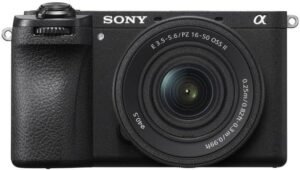
Sony Alpha a6700
Style: APS-C Mirrorless
Manufacturer: Sony
✅ Get Customer Reviews & Best Price
Pros:
-
Lightweight and compact
-
Strong autofocus inherited from higher models
-
Excellent video and photo balance
-
Smaller lenses reduce overall system weight
Cons:
-
APS-C sensor limits extreme low-light flexibility
-
The smaller grip may feel cramped for large hands
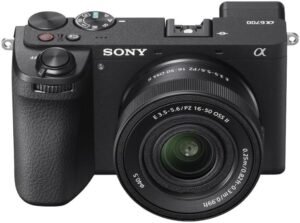
The Sony Alpha a6700 is especially appealing if your travel style involves long walking days, public transportation, or situations where discretion matters. Its smaller body and lighter lenses reduce fatigue over time, which often results in more consistent shooting.
When your camera feels easy to carry, you are more likely to bring it everywhere rather than leaving it in your bag.
Despite its compact size, the a6700 does not feel like a compromised tool. Its autofocus system performs reliably in fast-moving environments such as street scenes, transit hubs, and crowded destinations.
This allows you to focus on timing and composition rather than worrying about missed focus. For travel photographers who enjoy candid moments, that reliability is a meaningful advantage.
The APS-C sensor also provides practical benefits for travel. Lenses are generally smaller and more affordable, making it easier to build a lightweight kit that still covers wide, standard, and telephoto needs.
This flexibility is valuable when luggage space is limited or when you want to avoid checking bags. The a6700 is an excellent choice if you want professional-level performance in a system that stays comfortable and manageable throughout an entire trip.
Canon Travel Cameras in 2026: Strengths and Trade-Offs
Canon emphasizes usability, color consistency, and comfortable handling.
Canon Travel Camera Philosophy
Canon focuses on:
-
Intuitive ergonomics
-
Natural color rendering
-
Reliable autofocus that feels predictable
-
Strong build quality
This approach appeals to photographers who value consistency and comfort over deep customization.
Recommended Canon Travel Cameras for 2026
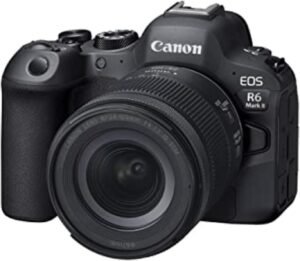
Canon EOS R6 Mark II
Style: Full-Frame Mirrorless
Manufacturer: Canon
✅ Get Customer Reviews & Best Price
Pros:
-
Excellent low-light performance
-
Reliable autofocus for people and movement
-
Comfortable grip for long days
-
Strong weather sealing
Cons:
-
Lower resolution than some competitors
-
RF lenses can be expensive
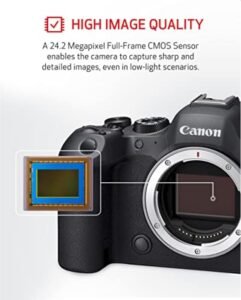
Beyond its headline specifications, the Canon EOS R6 Mark II is particularly well-suited for travelers who shoot long days in unpredictable conditions. Travel photography often means moving from bright outdoor scenes to dim interiors, early mornings to late evenings, and fast-moving environments where you do not have time to constantly adjust settings.
This camera handles those transitions smoothly, allowing you to stay focused on composition rather than exposure management.
The ergonomics of the R6 Mark II make a noticeable difference over extended use. The grip feels secure even with one hand, which matters when you are navigating crowded streets, uneven terrain, or public transport.
Button placement is intuitive, reducing the need to dive into menus when moments unfold quickly. This comfort directly translates into better shooting consistency on the road.
For photographers who value dependable results over chasing extreme specifications, the R6 Mark II delivers confidence. Its files are flexible in post-processing, yet they look natural straight out of the camera, which is helpful when you want to edit efficiently while traveling.
The camera rewards steady, intentional shooting and works well as a primary body for photographers who prioritize reliability and comfort across diverse travel environments.
Canon EOS R8
Style: Full-Frame Mirrorless
Manufacturer: Canon
✅ Get Customer Reviews & Best Price
Pros:
-
Lightweight full-frame body
-
Strong image quality
-
Simple and approachable interface
-
Excellent autofocus
Cons:
-
Smaller battery
-
Less robust weather sealing
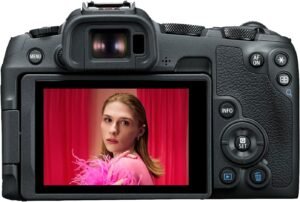
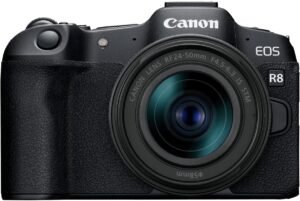
The Canon EOS R8 stands out as a strong option for travelers who want full-frame image quality without committing to a larger, heavier system. Its compact size makes it easy to carry throughout the day, which is often the deciding factor for whether a camera gets used consistently during travel.
When gear feels manageable, you are more likely to bring it everywhere, increasing your chances of capturing meaningful moments.
Despite its lightweight build, the EOS R8 delivers image quality that holds up well across typical travel scenarios. Landscapes, city scenes, and portraits benefit from the full-frame sensor’s dynamic range and color depth, especially in natural light. For photographers who publish primarily online or produce moderate-sized prints, the results are more than sufficient without adding unnecessary bulk.
The EOS R8’s simplified interface also plays an important role for travelers. Fewer controls and streamlined menus reduce cognitive load when you are tired, moving quickly, or shooting in unfamiliar environments. This camera encourages spontaneous shooting rather than technical overthinking.
While it lacks some advanced features found in higher-end models, its balance of portability, image quality, and ease of use makes it a compelling choice for photographers who want full-frame capability in a travel-friendly package.
Use Our Decision Tool
We created this quiz to help you select the best travel camera for your needs. Just answer the 6 questions, and the tool will recommend a Canon or Sony camera for your unique situation.
🎥 Find Your Perfect Travel Camera
Answer 6 quick questions to discover which Sony or Canon camera best fits your travel photography needs
Sony vs Canon: Head-to-Head Travel Comparison
Image Quality
Both brands deliver excellent image quality in 2026. Differences are subtle and often go unnoticed without side-by-side comparisons.
Sony:
-
Slight edge in dynamic range
-
Flexible files for heavy editing
Canon:
-
Pleasing color straight out of the camera
-
Consistent skin tones
Autofocus
Sony:
-
Industry-leading subject tracking
-
Strong performance for video and action
Canon:
-
Extremely reliable face and eye detection
-
Predictable behavior with minimal tweaking

Video for Travel Creators
Sony:
-
More advanced video profiles
-
Strong appeal for hybrid creators
Canon:
-
Simplified video workflows
-
Reliable results without complex setup
Ergonomics and Usability
Sony:
-
Compact but menu-heavy
-
Customization favors advanced users
Canon:
-
Comfortable grips
-
Logical control layouts

Lens Ecosystem
Sony:
-
Extensive third-party lens options
-
Wide range of compact travel lenses
Canon:
-
High-quality native RF lenses
-
Fewer third-party options, but a growing ecosystem
Accessories That Improve Sony and Canon Travel Kits
Accessories often matter more than upgrading camera bodies.
Lightweight Travel Zoom Lens
-
Reduces lens swaps
-
Covers most travel scenarios
Extra Batteries and USB-C Charger
-
Essential for long travel days
-
Reduces downtime
Compact Travel Sling or Backpack
-
Keeps gear accessible
-
Reduces fatigue

Frequently Asked Questions
Is Sony or Canon better for travel photography in 2026?
Neither brand is universally better for travel photography in 2026, because each excels in different areas that matter to different types of travelers. Sony is often favored for its advanced autofocus systems, compact camera bodies, and broad lens ecosystem that includes many lightweight third-party options.
This makes Sony appealing if you value flexibility, fast subject tracking, and compact setups.
Canon, on the other hand, tends to prioritize ergonomics, intuitive controls, and consistent color output. Many travelers find Canon cameras more comfortable to hold for long shooting days, especially when walking or hiking extensively. Canon’s approach often reduces friction when shooting quickly in unfamiliar environments.
The better choice ultimately depends on how you shoot, how much customization you want, and which camera feels more natural in your hands during extended travel use.
Which brand is better for hybrid photo and video travel creators?
Sony often appeals more to hybrid photo and video travel creators because of its strong video-focused features and highly reliable autofocus tracking across both stills and video.
Many Sony models offer advanced subject detection, smooth transitions, and flexible video profiles that appeal to creators producing content for multiple platforms.
Canon is better suited for creators who want dependable hybrid performance without heavy configuration. Its cameras tend to deliver pleasing results with minimal adjustment, which is valuable when you are editing on the road or publishing quickly.
Canon’s menus and controls are often simpler, reducing setup time between shooting photos and video. If your workflow emphasizes speed, consistency, and ease of use, Canon may be a better fit. If you enjoy fine-tuning settings and pushing video capabilities, Sony may better match your creative style.

Are Sony cameras harder to use than Canon?
Sony cameras are not inherently harder to use, but they do offer deeper customization options that can feel overwhelming at first. Many Sony models allow extensive control over autofocus behavior, custom buttons, and shooting profiles.
This flexibility is powerful, but it requires time to set up in a way that matches your workflow.
Canon cameras are often easier to pick up and use quickly, especially for travelers who prefer minimal menu navigation. The layout of Canon menus and physical controls tends to feel more intuitive for photographers transitioning from older systems or shooting in fast-paced environments.
Over time, Sony users often appreciate the level of control once their camera is configured properly. The difference comes down to whether you prefer immediate simplicity or long-term customization flexibility.
Does lens availability matter for travel?
Lens availability matters significantly for travel photography because lenses affect weight, versatility, and cost more than camera bodies. Sony’s system benefits from a mature third-party lens ecosystem, with many compact, lightweight, and affordable options.
This makes it easier to build a flexible travel kit without carrying excessive weight.
Canon’s RF lenses are known for excellent optical quality and strong performance, but the selection is more limited and generally more expensive. This can influence how many lenses you bring on a trip and how portable your overall setup feels.
For travelers who want to keep gear minimal, lens size and weight are just as important as image quality. Choosing a system with lens options that fit your travel style can significantly improve your shooting experience.

Is full-frame necessary for travel?
Full-frame cameras offer advantages in low-light performance, dynamic range, and subject separation, which can be valuable for certain types of travel photography. If you frequently shoot in challenging lighting conditions or plan to make large prints, full-frame systems provide added flexibility.
However, a full-frame is not necessary for most travel scenarios. APS-C systems from both Sony and Canon have improved dramatically and deliver excellent image quality in good light. They also allow for smaller, lighter lenses, which is often more practical for long travel days.
Many travelers find that APS-C systems strike a better balance between performance and portability. The decision should be based on how often you shoot in low light and how much weight you are comfortable carrying.
Which brand is better for beginners?
Canon tends to feel more approachable for beginners because of its simplified menus, logical button layout, and predictable behavior out of the box. New users often find it easier to achieve good results quickly without spending time customizing settings.
Sony rewards users who enjoy learning deeper customization over time. While the initial learning curve can feel steeper, many photographers appreciate the control Sony offers once they understand the system.
For beginners who want to focus on composition and storytelling rather than technical setup, Canon may feel less intimidating.
For beginners who enjoy experimenting and growing into advanced features, Sony can provide long-term flexibility. The best choice depends on your learning style and how much time you want to invest upfront.

Final Thoughts
The Sony vs Canon travel camera debate in 2026 is not about which brand is better. It is about which system aligns with how you move, shoot, and create while traveling.
Sony offers maximum flexibility and cutting-edge autofocus in compact bodies. Canon delivers comfort, consistency, and confidence across long shooting days.
The best travel camera is the one that feels natural in your hands, fits your travel rhythm, and encourages you to keep shooting instead of managing gear. When your camera supports your workflow, your travel content becomes more intentional, consistent, and rewarding.
Photography and Video References
- Take structured lessons from Sony Alpha Universe Academy courses.
- Learn post-production and on-set craft at Frame.io Insider.