
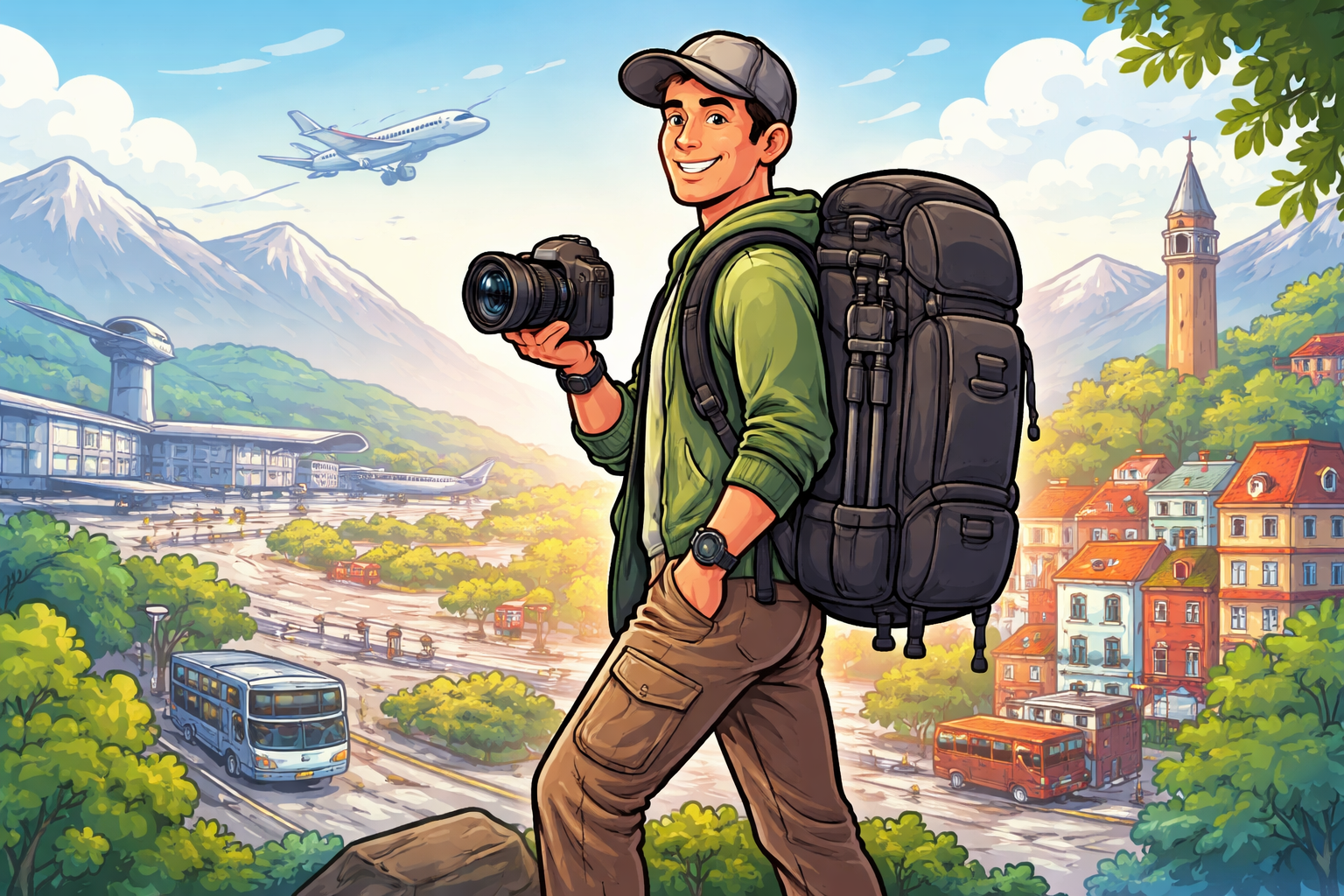
Best Camera Backpacks for Travel Photography in 2026
Best Camera Backpacks for Travel Photography in 2026
Choosing the right camera backpack for travel photography in 2026 is no longer a simple decision. You are not just carrying a camera. You are carrying fragile lenses, batteries, storage drives, a laptop, accessories, and often your entire creative workflow while navigating airports, city streets, public transport, and unpredictable weather.
You want a backpack that protects your gear, stays comfortable on long days, fits airline carry-on limits, and doesn’t slow you down when moments unfold quickly.

At the same time, you probably feel overwhelmed by endless product options, marketing buzzwords, and conflicting reviews that do not reflect real travel conditions.
This guide breaks through that confusion. You will learn what actually matters when choosing camera backpacks for travel photography, how to match a bag to your shooting style, and which camera backpacks in 2026 strike the best balance between protection, portability, and usability.
What Makes a Camera Backpack Travel Ready
A camera backpack designed for travel photography is fundamentally different from a regular backpack with padding. The differences show up the first time you spend a full day walking with your gear or need to access equipment quickly in a crowded location.
Protection That Handles Real Travel Abuse
Your backpack must absorb impacts from being set down on concrete, shoved into overhead bins, or brushed against walls and railings. Multi-density padding, structured dividers, and reinforced base panels matter far more than extra pockets or aesthetic design.
Weight Distribution and Comfort
Even a light camera kit becomes exhausting if the weight hangs entirely from your shoulders. Travel-ready camera backpacks shift the load toward your hips and keep the bag close to your center of gravity. This matters during long walking days, stair climbs, and transit transfers.
Fast Access Without Unpacking Everything
Travel photography does not give you time to unpack a bag completely. You need side access, rear access, or flat-lay access that lets you swap lenses or grab a camera quickly without exposing all your gear.
Airline Friendly Design
In 2026, airlines continue tightening carry-on enforcement. A good travel photography backpack fits overhead bins or under seats without forcing you to check thousands of dollars of gear.

Choosing the Right Size for Your Travel Photography Kit
One of the most common mistakes you can make is buying a camera backpack that is too large. Extra space feels comforting in theory, but becomes dead weight in practice.
Ask yourself:
-
How many camera bodies do you actually carry daily?
-
How many lenses do you realistically use on most trips?
-
Do you carry a drone, or is photography your primary focus?
For most travel photographers:
-
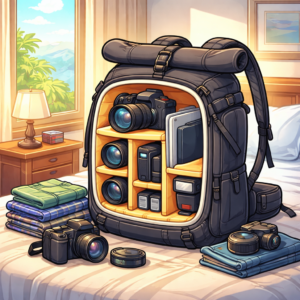
20L to 25L works for a mirrorless body and two or three lenses
-
30L to 35L suits hybrid photo and video kits with accessories
-
Larger bags should be reserved for professional assignments only
Now, let’s look at three camera backpacks that excel in different travel photography scenarios.
Thule Covert DSLR Rolltop Backpack 32L
- Manufacturer: Thule
- Style: Rolltop hybrid camera backpack
- Best for: Travelers who want flexibility between photography and general travel
✅ Get Customer Reviews & Best Price
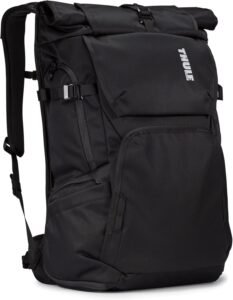
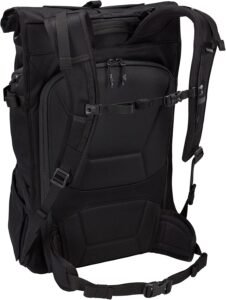
The Thule Covert DSLR Rolltop Backpack 32L is designed for photographers who want one bag that adapts to different days. Instead of forcing you into a rigid camera-only layout, it uses a removable padded camera pod that fits inside a full-size travel backpack.
Why It Works for Travel Photography
The rolltop design lets you expand or compress the bag as needed. When traveling between locations, you can carry clothing and personal items along with your camera gear. Once on location, you can remove the camera pod and use the backpack like a normal daypack.
Pros
-
Removable padded camera pod for flexible use
-
Rolltop expansion adds capacity when needed
-
Clean, discreet design that does not attract attention
-
Laptop sleeve fits up to 16-inch devices
-
Durable materials built for frequent travel
Cons
-
Rolltop access is slower than zipper-based designs
-
Camera pod suits mirrorless setups better than large DSLR kits
-
Heavier than minimalist camera backpacks
This backpack is ideal if you want one bag that works for both shooting days and travel days without switching packs.
Nomatic McKinnon Camera Backpack 25L
- Manufacturer: Nomatic
- Style: Structured professional camera backpack
- Best for: Creators who prioritize organization and protection
✅ Get Customer Reviews & Best Price
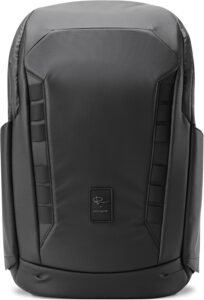
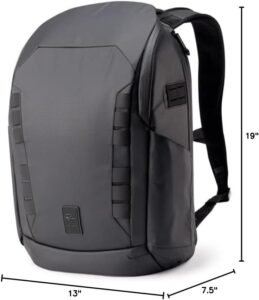
The Nomatic McKinnon Camera Backpack 25L is built for photographers and content creators who want everything perfectly organized and protected. This bag expands when needed but maintains a rigid structure that keeps gear locked in place.
Why It Works for Travel Photography
The full perimeter zipper allows the bag to open flat, making it easy to see and access all your gear at once. Internal dividers are highly adjustable and hold their shape even after repeated access.
Pros
-
Exceptional internal organization and padding
-
Expands from 25L to 35L for travel days
-
Flat lay opening for fast gear access
-
Durable, water-resistant materials
-
Dedicated laptop and tablet compartments
Cons
-
Rigid structure limits casual everyday use
-
Heavier than softer camera backpacks
-
Premium price point
If photography is central to your travel work and you want a bag that behaves like a mobile workstation, this is a strong option.
Manfrotto Advanced Befree III Backpack
- Manufacturer: Manfrotto
- Style: Lightweight camera backpack
- Best for: Minimalist travel photographers
✅ Get Customer Reviews & Best Price
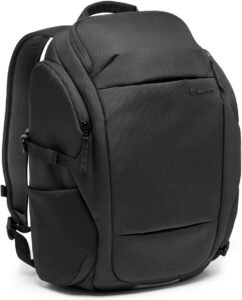
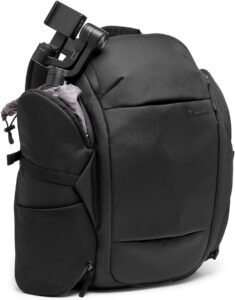
The Manfrotto Advanced Befree III Backpack is designed for photographers who value lightweight, simplicity, and portability. It focuses on carrying only what you need without unnecessary bulk.
Why It Works for Travel Photography
This backpack suits photographers who carry a mirrorless camera, a few lenses, and minimal accessories. Side access allows you to grab your camera quickly without removing the bag.
Pros
-
Lightweight and compact design
-
Comfortable for long walking days
-
Side access for fast shooting
-
Integrated tripod attachment
-
More affordable than premium backpacks
Cons
-
Limited space for personal items
-
Not ideal for large or heavy kits
-
Moderate weather resistance
This is a strong choice if you prioritize mobility and want a camera backpack that never feels heavy or restrictive.
Use Our Decision Tool
We created this quiz to help you choose the camera travel bag that best suits your needs. Just answer the 6 questions, and the tool will recommend the best camera bag for your unique situation.
📷 Camera Backpack Finder
Answer 6 quick questions to find your perfect travel photography backpack
Comparing the Three Options
If you want:
-
One bag for photography and general travel: Thule Covert Rolltop
-
Maximum protection and organization: Nomatic McKinnon
-
Lightest everyday travel setup: Manfrotto Befree III
Each of these camera backpacks for travel photography serves a different workflow. The best choice depends on how much gear you carry and how you move while traveling.
Accessories That Improve Any Camera Backpack Setup
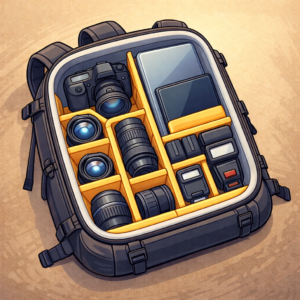
Regardless of which backpack you choose, a few accessories dramatically improve your travel experience.
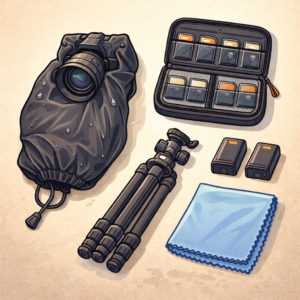
Recommended Accessories
-
Camera rain cover: Adds protection during sudden weather changes
-
Memory card wallet: Keeps cards organized and prevents loss
-
Compact travel tripod: Supports long exposures and video work
These accessories reduce stress and keep your workflow efficient when traveling.
Airport and Security Considerations
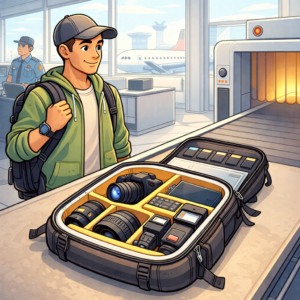
Travel photography often means navigating airport security with expensive gear. Bags that open flat and keep gear clearly visible reduce screening delays. Always pack lithium batteries in carry-on luggage and keep your most valuable gear accessible.
Camera backpacks between 20L and 35L generally meet carry-on requirements on major airlines, but budget carriers may enforce stricter limits.
Frequently Asked Questions
1. What size camera backpack is best for travel photography?
The best size camera backpack for travel photography depends on how much gear you carry. Most travel photographers are comfortable with backpacks between 20L and 30L, which can hold a camera body, two to three lenses, accessories, and a laptop while remaining airline carry-on friendly.
2. Are camera backpacks allowed as carry-on luggage?
Yes, most camera backpacks are allowed as carry-on luggage as long as they meet airline size restrictions. Backpacks under 22 inches tall generally fit in overhead bins, while smaller models can slide under the seat. Always check airline policies before flying.
3. What is the difference between a camera backpack and a regular backpack?
A camera backpack includes padded compartments, modular dividers, impact protection, and weather resistance designed specifically for cameras and lenses. Regular backpacks lack structured protection and can allow gear to shift, increasing the risk of damage.
4. Do travel photographers really need a dedicated camera backpack?
If you travel with interchangeable lenses or professional gear, a dedicated camera backpack significantly improves protection, organization, and shooting efficiency. It also reduces shoulder strain through better weight distribution and helps you access gear quickly in real-world travel conditions.
5. Are lightweight camera backpacks safe for expensive gear?
Yes, lightweight camera backpacks can be safe if they use multi-density padding, reinforced stitching, and secure closures. Many modern lightweight designs offer strong protection without unnecessary bulk, especially for mirrorless camera systems.
6. Should I choose a rolltop or zippered camera backpack?
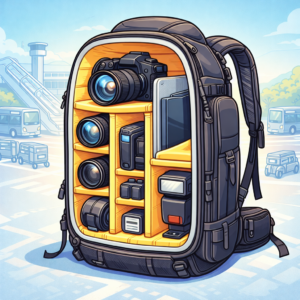
Rolltop camera backpacks offer expandable storage and a lower-profile look, making them ideal for travel creators who carry both gear and personal items.
Zippered backpacks offer faster access and a more rigid structure, making them a good choice for photographers who prioritize organization and protection.
7. How do I protect my camera gear from rain while traveling?
Look for camera backpacks made with water-resistant materials and sealed zippers. Many travel camera backpacks include a built-in rain cover for sudden downpours. For heavy rain or tropical environments, additional dry bags or rain sleeves can provide extra protection.
8. Can a camera backpack also carry a laptop and personal items?
Yes, most travel-focused camera backpacks include dedicated laptop compartments and space for clothing, chargers, and daily essentials. Hybrid designs are especially useful for creators who want one bag for shooting, commuting, and short trips.
9. What camera backpack features matter most for travel photography?
The most important features include:
-
Comfortable harness and weight distribution
-
Padded modular dividers
-
Secure access points
-
Weather resistance
-
Carry-on compatibility
-
Laptop storage
These features directly impact comfort, safety, and workflow while traveling.
10. How much should I expect to spend on a quality camera backpack?
A reliable camera backpack for travel photography typically costs between $150 and $300. Higher prices usually reflect better materials, improved comfort systems, and longer durability rather than unnecessary features.
Final Thoughts
The best camera backpacks for travel photography in 2026 are not about flashy features. They are about reliability, comfort, and protecting your ability to create wherever you go.
A backpack that matches your real-world workflow will get used every day. One that does not will stay in your accommodation while time passes outside.
Choose a bag that fits your gear, your body, and your travel style. That decision matters more than any spec sheet or marketing claim.
Trusted Sources to Expand Your Knowledge
- Stay current on industry updates via PetaPixel photography news and reviews.
- Learn lighting and shooting techniques from Fstoppers tutorials and gear coverage.