
Best Camera Backpacks That Fit Under the Seat on Flights
Best Camera Backpacks That Fit Under the Seat on Flights
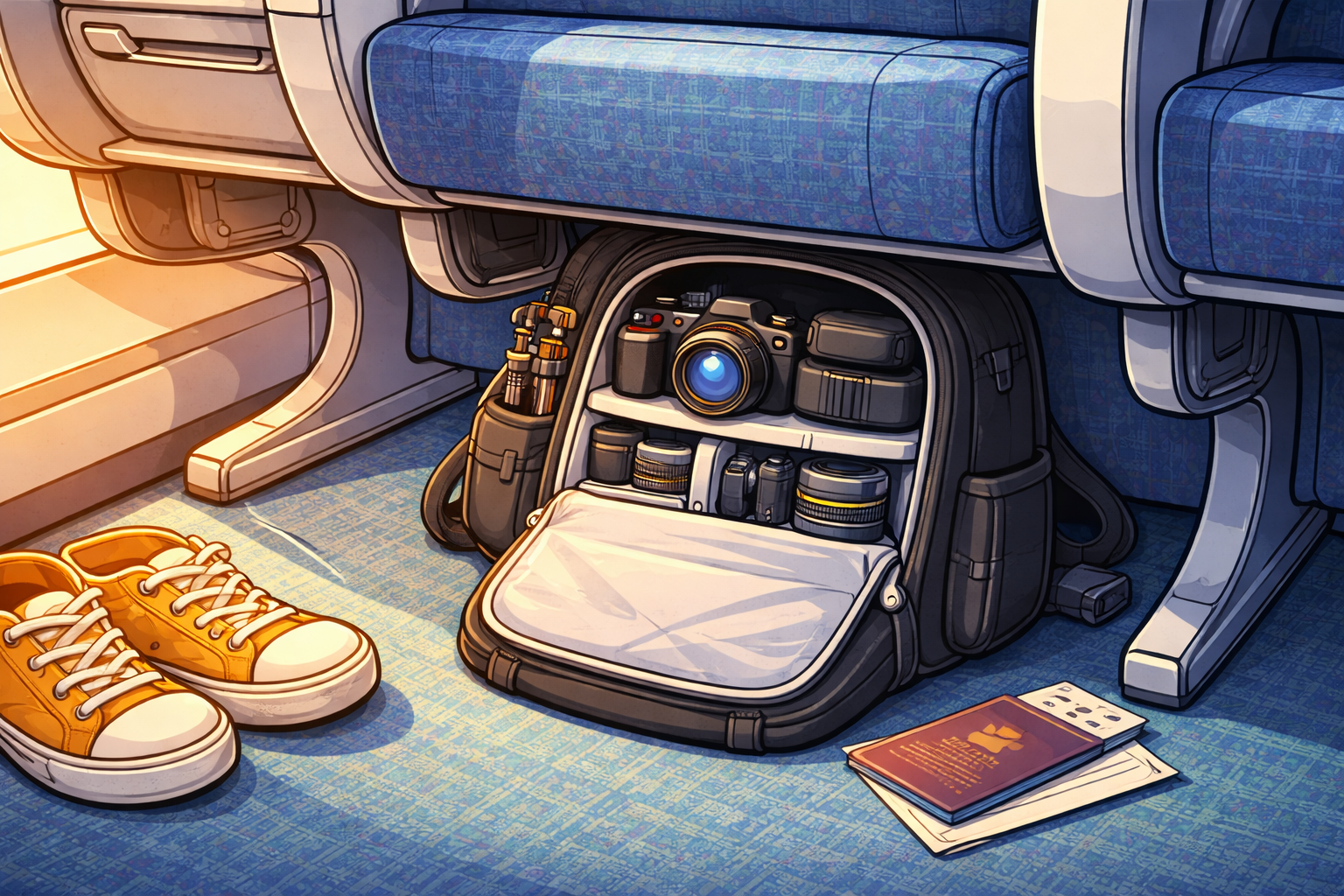
You are standing at the gate, boarding group called, and the only thing on your mind is this question: will your camera backpack actually fit under the seat in front of you without stress, reshuffling, or gate checking?
If you are an aspiring or intermediate travel creator, you already have enough on your plate. You are thinking about lighting, composition, batteries, lenses, storage, editing, and whether your footage will look good on social media.
The last thing you want is to worry about whether your bag will be confiscated at the boarding gate. That is why choosing among the Best Camera Backpacks That Fit Under the Seat is not a small decision. It shapes how you travel, how you shoot, and how calm you feel in transit.
This guide is built for you if you want portable, reliable gear that performs in real-world travel conditions, works in cramped airplane cabins, and still protects expensive equipment. You are not trying to carry everything. You are trying to carry the right things in the smartest way possible.
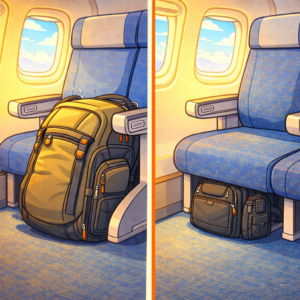
Why Under Seat Fit Matters More Than You Think
When you fly, your backpack is not just storage. It is your moving studio. You want it within arm’s reach so you can store lenses, memory cards, batteries, or even your laptop without standing up or disturbing other passengers.
If your bag only fits overhead, you lose control. You cannot access gear mid-flight; you risk running out of bin space and increasing the chance of rough handling. An under-seat camera backpack gives you peace of mind, instant access, and fewer travel headaches.
For you, as a creator, this matters because you often move fast. You might land, grab your bag, and start shooting immediately. The faster you can get to your gear, the more moments you capture.
The Pain Points You Are Trying to Solve
You are not shopping for a bag in a vacuum. You are dealing with real frustrations.
You feel overwhelmed by how many backpacks exist and how similar they all look online. You are unsure which ones truly fit under airline seats and which ones only claim to. You want protection for expensive cameras and lenses, but you do not want the bulk that slows you down.
You have probably experienced bags that look cool but lack proper access panels, forcing you to unpack everything just to grab a lens. You want something that balances protection, comfort, and speed.
Your buying decisions are driven by performance, portability, and professional-looking results. You need a bag that helps you create better content, not just carry gear.

What Makes a Camera Backpack Truly Under-Seat Friendly
Compact but not cramped
The Best Camera Backpacks That Fit Under the Seat are usually around 18 inches tall or less and soft-sided enough to compress slightly if needed. You want structure for protection, but flexibility so the bag can slide beneath tight seat space.
Thoughtful internal organization
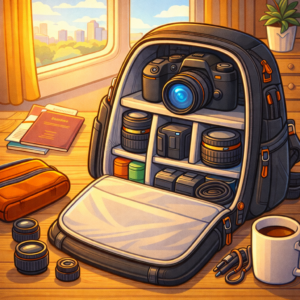
You do not want a single big empty compartment. You want padded dividers that hold your camera body, lenses, and accessories in place. This keeps the gear from shifting during turbulence or when you shove the bag under your seat.
Easy access design
Side or rear access panels let you grab your camera without removing the entire bag. This is critical if you are sitting in a middle seat or a cramped row.
Lightweight comfort
Even though the bag fits under a seat, you still carry it through airports, trains, and city streets. Padded straps and a breathable back panel make long travel days much easier.
How You Should Pack an Under-Seat Camera Backpack
You want to travel like a minimalist, not a gear hoarder. Pack only what you will realistically use on your trip.
A smart packing approach looks like this:
-
One main camera body
-
One versatile zoom lens
-
One small prime lens
-
Spare batteries in a small pouch
-
Memory cards in a wallet
-
A slim laptop or tablet
-
Charging cables in a compact organizer
Place heavier items at the bottom of the bag for better balance. Keep frequently used items in quick-access pockets so you don’t have to dig around mid-flight.
Best Camera Backpacks That Fit Under the Seat
Below are reliable, travel-tested options that balance protection, portability, and real-world usability.
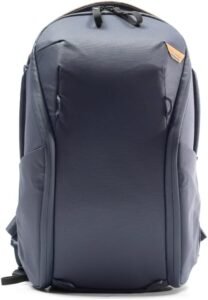
1. Peak Design Everyday Backpack Zip 20L
Style: Camera Backpack
Manufacturer: Peak Design
✅ Get Customer Reviews & Best Price
Pros
-
Slim profile that slides easily under most airline seats
-
Weather-resistant exterior for unpredictable travel
-
Quick side access for grabbing your camera without fully unpacking
-
Modular internal dividers that adjust to your kit
-
Comfortable straps for long walking days
Cons
-
Higher price point than basic backpacks
-
Limited space if you carry multiple large lenses
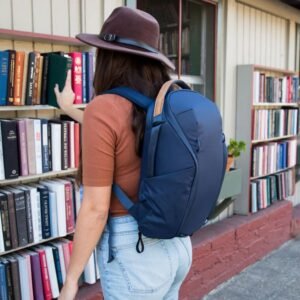
This bag works especially well if you value clean design and fast access while keeping your kit minimal.
The exterior fabric holds its shape even when squeezed into tight airplane footwells, which helps your gear stay protected rather than compressed. Zippers move smoothly under pressure, so you don’t have to fight your bag in a cramped row.
The internal divider system lets you fine-tune compartments for different trips, whether you carry one body and two lenses or a hybrid photo-and-video setup.
The backpack stands upright on its own, which makes airport security and hotel packing easier. The padded laptop sleeve sits flat against your back, improving balance while keeping tech separate from fragile glass. Even during long layovers, the bag remains comfortable to carry, reducing shoulder strain as you move between terminals.
2. Lowepro PhotoSport 24L
Style: Camera Daypack
Manufacturer: Lowepro
✅ Get Customer Reviews & Best Price
Pros
-
Lightweight and travel-friendly shape
-
Fits under many standard airline seats
-
Breathable back panel for comfort in hot climates
-
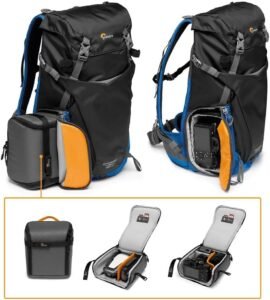
Removable camera cube for flexibility
-
Durable fabric that resists wear
Cons
-
Less rigid protection compared to hard-framed bags
-
Not ideal for heavy professional video setups
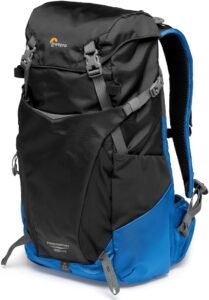
This is a great choice if you want a backpack that works equally well for hiking and city travel.
The removable camera cube lets you transform the bag into a normal daypack in seconds, which is useful when you want to separate gear from everyday items. The shoulder straps distribute weight evenly, making long walking days feel less draining.
The breathable back panel reduces sweat buildup, especially in warm destinations or crowded transit hubs. Side pockets accommodate water bottles or a small tripod, keeping essentials within reach.
The fabric handles light rain and rough surfaces well, so you do not feel you need to baby the bag. Its streamlined profile makes it easier to slide beneath seats without awkward adjustments or gate checking.
3. Think Tank TurnStyle 20 V2
Style: Sling Camera Backpack
Manufacturer: Think Tank Photo
✅ Get Customer Reviews & Best Price
Pros
-
Compact size that fits under seats easily
-
Fast access design by swinging the bag to your front
-
Excellent build quality and padding
-
Lightweight and unobtrusive in crowded spaces
Cons
-
Limited capacity for larger kits
-
A single strap may feel less balanced for long days
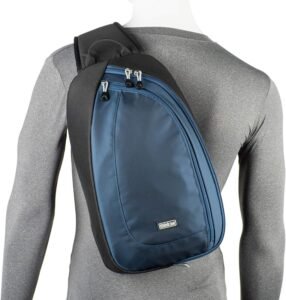
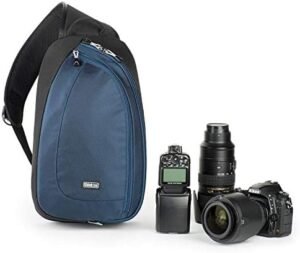
This is ideal if you move fast, shoot street photography, or prefer a minimalist carry.
The sling style lets you keep one strap on while rotating the bag forward, so you can swap lenses or grab batteries without removing it completely. Thick padding around the camera compartment absorbs minor bumps during transit or when sliding under tight seats.
The exterior material resists scuffs, which keeps the bag looking clean even after repeated travel. Internal pockets keep small accessories organized so you don’t have to rummage mid-flight.
Because the bag sits close to your body, it feels secure in crowded airports, trains, or busy markets. The minimalist design also makes it less conspicuous, which can be useful in tourist-heavy areas.
4. Nomatic McKinnon 25L
Style: Hybrid Camera Backpack
Manufacturer: Nomatic
✅ Get Customer Reviews & Best Price
Pros
-
Water-resistant exterior
-
Dedicated tripod pocket
-
Strong internal organization
-
Ventilated back panel for comfort
-
Laptop sleeve included
Cons
-
Premium price
-
Slightly bulkier than ultra compact options
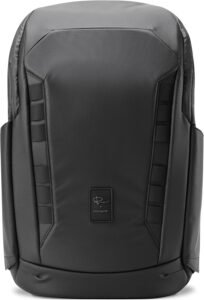
This is best if you mix photo, video, and general travel in one bag.
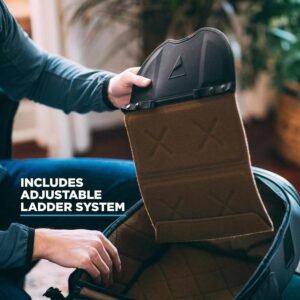
The tough exterior fabric handles rain, dust, and rough sidewalks without showing heavy wear, making it reliable for outdoor and urban travel. Modular inserts let you reconfigure space depending on whether you carry photo gear, video gear, or a mix of both.
The ventilated back panel improves airflow, especially during long walks in warm climates. Dedicated pockets keep tripods, cables, and chargers separate from fragile camera equipment.
The structured design prevents the gear from shifting when you slide the bag under airplane seats. Even when fully packed, the harness system spreads weight evenly, reducing fatigue during long travel days.
5. Wandrd PRVKE Lite 21L
Style: Travel Camera Backpack
Manufacturer: Wandrd
✅ Get Customer Reviews & Best Price
Pros
-
Clean, modern aesthetic
-
Removable camera cube
-
Comfortable straps for long walks
-
Fits under many airline seats
-
Durable materials for outdoor travel
Cons
-
Less internal structure than some competitors
-
Limited small accessory pockets
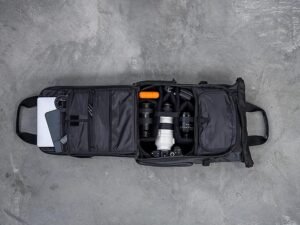
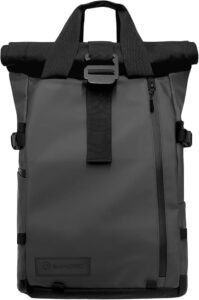
This is a solid option if you want a stylish yet practical bag for creative travel.
The removable camera cube gives you the flexibility to switch between creative work and general travel without carrying two bags. The exterior fabric is tough enough for hiking trails, city streets, and airport handling. Padded straps and a breathable back panel keep you comfortable during long days on your feet.
The streamlined shape helps the bag slide easily under seats or into overhead bins when needed. Internal organization keeps lenses, batteries, and accessories separated so nothing rattles around mid-flight. The minimalist look also blends well in both urban and outdoor environments, making it a versatile travel companion.
Use Our Decision Tool
We created this quiz to help you select the best Camera Backpacks That Fit Under the Seat on Flights for your needs. Just answer the 6 questions, and the tool will recommend an under-the-seat camera bag for your unique situation.
Find Your Perfect Camera Backpack
Answer 6 quick questions to get a personalized recommendation for under-seat travel
Accessories That Make Under-Seat Travel Easier
Even the best backpack performs better with the right accessories.
Camera rain cover
A compact rain cover protects your gear in sudden storms without adding bulk.
Modular packing cubes
These help separate camera gear from personal items so you can pack faster and stay organized.
Memory card wallet
This keeps cards safe, labeled, and easy to find mid shoot.
How to Choose the Right Bag for Your Travel Style
If you walk a lot, prioritize comfort and weight distribution. If you fly frequently, prioritize under-seat fit and structured protection. If you shoot on the move, prioritize fast access.
Your ideal bag is the one that supports your workflow rather than complicates it. For a deeper breakdown of how to evaluate camera backpacks for creators, check out the Camera Backpack Buying Guide for Social Creators

Frequently Asked Questions
Will all airlines accept under-seat camera backpacks?
Most major airlines allow small backpacks as a personal item under the seat, but exact dimensions vary. Soft-sided bags are more forgiving than rigid cases.
In practice, acceptance also depends on how full your bag is and how flexible its structure remains when packed. Regional jets and budget carriers often have tighter footwell space, which means slightly compressible backpacks perform better than boxy ones.
Weight limits can also apply to smaller aircraft, so a lightweight design paired with smart packing reduces the risk of gate checks. Boarding group timing matters as well, because late boarding can force you to store items farther away.
Choosing a low-profile backpack that visibly fits under a seat helps avoid awkward conversations with gate agents and keeps your gear within reach throughout the flight.
Do under-seat backpacks protect the gear well?
Yes, quality models use padded dividers and reinforced bottoms to reduce impact when placed on hard floors or squeezed into tight spaces.
Protection also comes from internal stability rather than padding alone. Adjustable dividers prevent lenses and bodies from shifting during turbulence, quick stops, or when the bag is slid beneath a seat.
Many well-designed backpacks include raised bases or stiffened panels that absorb impact from concrete, tarmac, or metal surfaces. Durable exterior fabrics resist abrasion, scuffs, and minor bumps that happen in crowded airports or packed trains.
Thoughtful pocket layouts keep cables, batteries, and small items from pressing against delicate glass. When paired with careful packing practices, these features significantly reduce the risk of everyday travel damage to expensive camera equipment.

Can you fit a laptop in these bags?
Many under-seat camera backpacks include a slim laptop sleeve that sits against your back for balance and protection.
Positioning the laptop along the back panel improves weight distribution and keeps tech separate from fragile camera gear. This layout also allows faster removal at airport security without unpacking your entire bag.
Most sleeves accommodate 13 to 15-inch laptops, and some models also fit tablets or e-readers. A dedicated compartment reduces pressure on lenses when the bag is fully packed and makes it easier to organize chargers, cables, and small accessories.
For creators who edit on the go, this dual-purpose design supports productivity in hotels, cafes, and airports without requiring a second bag.
Is a smaller backpack better for travel?
Often yes, because it encourages you to carry only what you need and makes navigation through airports and cities easier.
Smaller backpacks naturally limit overpacking, reducing shoulder fatigue and speeding movement through security lines, narrow aisles, and crowded sidewalks. A compact bag is easier to slide under airplane seats, store in trains, and keep close in busy environments.
It also helps you maintain better posture during long walking days, since you are not hauling unnecessary weight. Many creators find that a minimalist kit actually improves creativity, because it forces them to focus on composition, timing, and storytelling rather than constantly managing gear.
In real travel conditions, a lighter, well-chosen backpack often leads to more consistent shooting and a more enjoyable trip overall.

How should you pack lenses?
Use padded dividers and keep lens caps on. Place heavier items at the bottom for better balance.
Positioning the weight low in the bag improves stability and reduces strain on your shoulders during long walks. Frequently used lenses can go in quick access side pockets, while specialty glass stays deeper inside the main compartment.
Wrapping delicate lenses in microfiber cloths adds an extra layer of protection against dust and vibration. Keeping caps on at all times minimizes risk of scratches or fingerprints.
Labeling or color-coding dividers can help you locate gear faster in busy airports or crowded shooting locations. Thoughtful packing not only protects your equipment but also speeds up your workflow when moments unfold quickly.
Are weatherproof features necessary?
They are very useful, especially if you shoot outdoors or travel in unpredictable climates.
Weather-resistant fabrics, sealed zippers, and rubberized bases help prevent moisture from seeping into your bag when it is placed on wet ground or exposed to light rain. Even in dry destinations, dust, sand, or spilled drinks can damage unprotected gear.
A compact rain cover adds an extra layer of security without adding bulk or weight. These features are particularly valuable in airports, ferries, trains, or coastal areas where surfaces can be damp.
Knowing your backpack can handle sudden weather changes gives you the confidence to keep shooting rather than constantly worrying about your equipment.
Can these bags be used for everyday travel?
Yes, many convert easily into general daypacks by removing the camera insert.
This flexibility makes them practical beyond photography, whether you are commuting, hiking, or taking weekend trips. Separate compartments help you organize passports, chargers, snacks, and personal items without mixing them with camera gear.
Some models even allow full removal of padded dividers, transforming the bag into a standard travel backpack. This reduces the need to own multiple bags for different situations. For creators who move between work, leisure, and travel, a convertible design provides real value and simplifies packing for varied trips.
Final Thoughts
Choosing among the Best Camera Backpacks That Fit Under the Seat is about more than convenience. It is about giving yourself freedom to create without friction. When your bag works with your travel style, you move faster, feel calmer, and shoot more confidently.
The right backpack becomes a silent partner in your creative journey, protecting your gear while staying out of your way.
Trusted Authorities
- Study cinematography in a top trade publication, such as American Cinematographer.
- Get filmmaker news and how-to coverage from No Film School.