
Camera Backpack vs Sling Bag for Travel Photography
Camera Backpack vs Sling Bag for Travel Photography
Travel photography is not just about the camera you choose. How you carry your gear can have just as much impact on your experience and results. When you are moving through airports, cities, markets, trails, and long walking days, your camera bag becomes part of your workflow.
The wrong bag creates friction. The right one fades into the background, letting you focus on shooting.

If you are deciding between a camera backpack vs sling bag for travel photography, you are not alone. This is one of the most common questions among aspiring and intermediate travel creators. Both options can work well, but they solve different problems.
Understanding how each bag type behaves in real-world travel situations helps you choose confidently rather than guess.
This guide breaks down the practical differences, strengths, and limitations of backpacks and sling bags so you can match your bag to how you actually travel and shoot.
Why Your Camera Bag Choice Matters More Than You Think
When you travel, your bag is with you all day. It affects how long you can comfortably carry your gear, how quickly you can access your camera, and how willing you are to keep shooting when you get tired.
A bag that feels fine for an hour can become frustrating after eight hours of walking. A bag that protects your gear but slows you down can cause missed moments. Comfort, access speed, and organization all play a role in how much content you actually capture.
The camera backpack vs. sling bag debate for travel photography matters because it directly affects consistency. The easier it is to carry and access your gear, the more often you will use it.
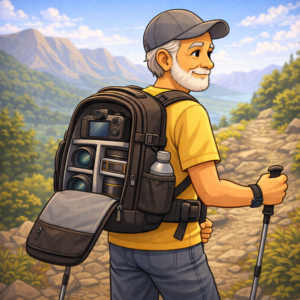
What Travel Photographers Should Prioritize Before Choosing a Bag
Before comparing backpacks and sling bags directly, it helps to clarify what actually matters for travel use.
Comfort Over Long Days
Travel photography often means extended periods on foot. You might be walking through cities, standing in lines, climbing stairs, or navigating public transport.
You should prioritize:
-
Even weight distribution
-
Padding that reduces pressure points
-
Breathable materials that reduce heat buildup
-
Straps that do not dig into the shoulders or neck
Comfort determines how long you can keep shooting without fatigue.
Speed of Access
Travel moments do not wait. Street scenes, expressions, light changes, and interactions happen quickly.
A good bag allows you to:
-
Access your camera without fully removing the bag
-
Change lenses quickly if needed
-
Secure gear without fumbling
Access speed often matters more than storage capacity for travel photography.

Gear Capacity That Matches Your Kit
Carrying more gear than you need adds weight and complexity. Carrying too little limits flexibility.
Think honestly about what you carry daily:
-
One camera and one lens
-
One camera with two lenses
-
Camera plus drone
-
Camera plus audio accessories
Your bag should fit your real kit, not an aspirational one.
Security in Crowded Environments
Travel often means crowded spaces. Your bag should help protect gear and reduce attention.
Look for:
-
Lockable zippers or hidden openings
-
Close-to-body carry options
-
Durable materials
Security is part of peace of mind while traveling.
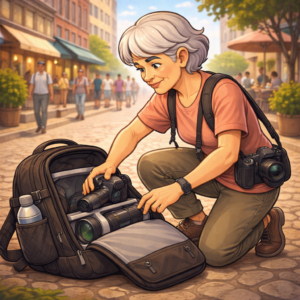
Understanding Camera Backpacks for Travel Photography
Camera backpacks are designed to carry more gear comfortably over long periods. They distribute weight across both shoulders and often include structured support.
Strengths of Camera Backpacks
Camera backpacks excel in scenarios where you carry more gear or walk for extended periods.
Key advantages include:
-
Better weight distribution for heavier kits
-
More storage for multiple lenses and accessories
-
Space for personal items like jackets or snacks
-
Improved comfort during long walking days
If you carry a camera, multiple lenses, and accessories, a backpack reduces strain on your back compared to a single-strap bag.
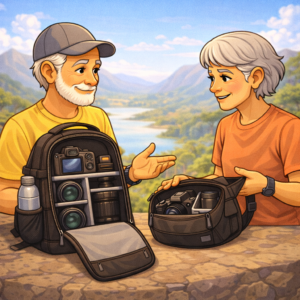
Limitations of Camera Backpacks
Backpacks are not perfect for every travel style.
Common drawbacks include:
-
Slower camera access compared to sling bags
-
Bulkier profile in tight spaces
-
Need to remove the bag to access gear
-
Less discreet appearance in some environments
Backpacks reward planning but can slow spontaneous shooting.
When a Camera Backpack Makes Sense
A camera backpack is often the better choice if you:
-
Carry multiple lenses or accessories
-
Walk long distances daily
-
Hike or travel outdoors frequently
-
Need room for personal items
-
Value comfort over speed
Backpacks shine when endurance and capacity matter most.
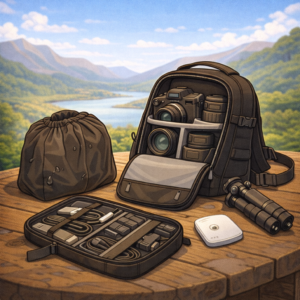
Understanding Sling Bags for Travel Photography
Sling bags are designed for quick access and minimal carrying. They sit across the body and rotate easily from back to front.
Strengths of Sling Bags
Sling bags are popular with travel photographers who prioritize speed and mobility.
Key advantages include:
-
Fast access without removing the bag
-
Compact and discreet profile
-
Encourages lighter, more intentional kits
-
Easy to maneuver in crowds
Sling bags help you stay responsive in fast-moving environments.
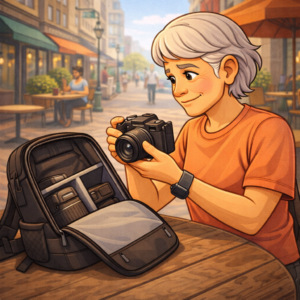
Limitations of Sling Bags
Sling bags trade comfort and capacity for access speed.
Common drawbacks include:
-
Uneven weight distribution over long periods
-
Limited space for extra lenses or accessories
-
Shoulder fatigue during long days
-
Less room for personal items
They work best when you carry minimal gear.
When a Sling Bag Makes Sense
A sling bag is often the better choice if you:
-
Carry one camera and one or two small lenses
-
Shoot street photography or urban travel
-
Prioritize speed and spontaneity
-
Want a discreet, low-profile bag
-
Move frequently between locations
Sling bags reward simplicity and quick reactions.

Camera Backpack vs Sling Bag for Travel Photography: Head-to-Head Comparison
Comfort
Backpacks distribute weight evenly and remain comfortable longer.
Winner: Camera backpack
Speed of Access
Sling bags allow instant access without removing the bag.
Winner: Sling bag
Capacity
Backpacks carry more gear and personal items comfortably.
Winner: Camera backpack
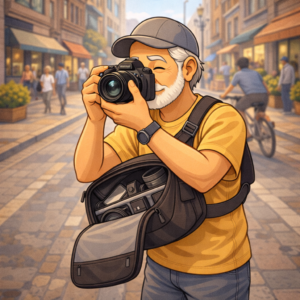
Discretion
Sling bags draw less attention and feel less bulky.
Winner: Sling bag
Versatility
Backpacks adapt better to mixed travel days and varied gear needs.
Winner: Camera backpack
Daily Use
Sling bags feel lighter and less intrusive for short outings.
Winner: Sling bag
Recommended Camera Backpacks for Travel Photography
Below are strong options that balance comfort, protection, and travel-friendly design.
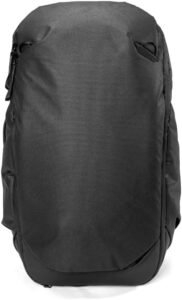
Peak Design Travel Backpack 30L
Style: Camera Backpack
Manufacturer: Peak Design
✅ Get Customer Reviews & Best Price
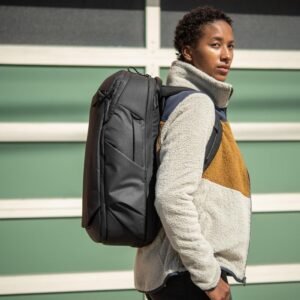
The Peak Design Travel Backpack 30L is designed for travel photographers who want flexibility without committing to a large, expedition-style pack. Its modular interior system allows you to configure the space precisely for your gear, whether you are carrying multiple lenses, a drone, or a hybrid setup with personal items.
What makes this backpack particularly effective for travel is its adaptability throughout a trip. On transit days, it functions like a structured carry-on with excellent organization. During shooting days, side and rear access panels let you reach your camera without unpacking everything.
The harness system distributes weight evenly across your shoulders and back, reducing fatigue on long walking days.
The materials feel premium and durable, offering confidence when moving through busy airports or unpredictable weather. While it sits at a higher price point, the versatility makes it appealing for travelers who want one bag that works across flights, cities, and longer walking days without feeling out of place.
Pros:
-
Comfortable harness system for long days
-
Modular dividers for flexible layouts
-
Durable, weather-resistant materials
-
Professional but understated appearance
Cons:
-
Higher price point
-
Can feel bulky when fully packed
Lowepro ProTactic BP 350 AW II
Style: Camera Backpack
Manufacturer: Lowepro
✅ Get Customer Reviews & Best Price
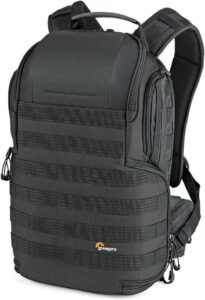
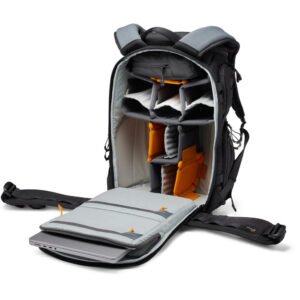
The Lowepro ProTactic BP 350 AW II is built for photographers who prioritize protection, structure, and reliability. Its rigid padding and customizable interior make it especially well-suited for carrying multiple lenses and sensitive gear through unpredictable travel conditions.
One of its standout features is the multiple access points, which allow you to reach your camera from the top, sides, or back. This reduces the typical downside of backpacks, where access can feel slow or cumbersome. The harness system is well-padded and supportive, helping manage heavier loads over extended periods.
This backpack performs particularly well for travel photographers who mix urban and outdoor environments, such as city exploration followed by hiking or day trips. The included rain cover adds peace of mind when the weather changes unexpectedly.
While the tactical styling may not appeal to everyone, it offers a sense of durability and security that many photographers appreciate when carrying valuable equipment.
Pros:
-
Excellent gear protection
-
Multiple access panels
-
Comfortable padding for heavier loads
-
Included all-weather rain cover
Cons:
-
Heavier than minimalist backpacks
-
Tactical styling may draw attention in some locations
Recommended Sling Bags for Travel Photography
Sling bags work best when paired with intentional, lightweight kits.
Peak Design Everyday Sling 6L
Style: Camera Sling
Manufacturer: Peak Design
✅ Get Customer Reviews & Best Price
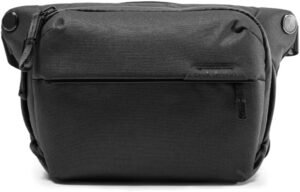
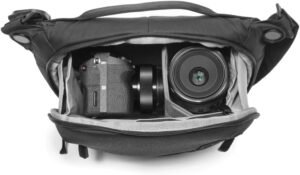
The Peak Design Everyday Sling 6L is designed for travel photographers who value speed, simplicity, and minimal carry. It works best when paired with a lightweight kit, such as a mirrorless camera and one or two compact lenses.
Its biggest advantage is how quickly it lets you access your camera. You can rotate the sling from your back to your front in one motion, open it, shoot, and secure your gear again without stopping. This is ideal for street photography, crowded markets, or spontaneous moments that disappear quickly.
The internal dividers keep gear from shifting while walking, and the strap system distributes weight better than many traditional slings. Over long days, it still places weight on one shoulder, so packing intentionally matters.
For photographers who want a bag that stays out of the way and keeps them shooting, this sling integrates seamlessly into urban travel environments.
Pros:
-
Fast one-handed access
-
Adjustable internal dividers
-
Comfortable strap design for short to moderate use
-
Clean, modern appearance
Cons:
-
Limited capacity
-
Shoulder fatigue during long, gear-heavy days
WANDRD Rogue Sling 6L
Style: Camera Sling
Manufacturer: WANDRD
✅ Get Customer Reviews & Best Price
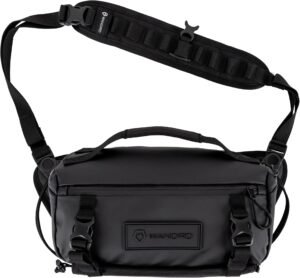
The WANDRD Rogue Sling 6L is a strong option for travel photographers who want durability and weather resistance in a compact form. Its materials feel rugged without being overly stiff, making it suitable for both city travel and light outdoor use.
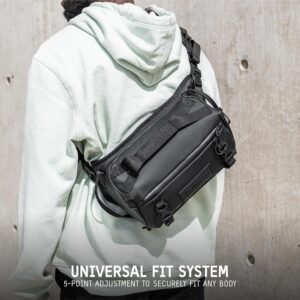
This sling balances structure and flexibility well. The interior keeps your camera secure while allowing enough room for small accessories like spare batteries or filters. The strap padding improves comfort compared to thinner sling designs, helping manage weight during extended shooting sessions.
The Rogue Sling works best for photographers who keep their kit lean and intentional. Its discreet look blends into travel environments without drawing attention, which is useful in crowded destinations.
While capacity is limited, that limitation often encourages better gear discipline. For photographers who value reliability and a low-profile carry option, this sling performs consistently throughout fast-paced travel days.
Pros:
-
Weather-resistant materials
-
Comfortable strap padding
-
Secure zipper design
-
Discreet, travel-friendly aesthetic
Cons:
-
Tight fit for larger camera bodies
-
Limited space for additional gear
Use Our Decision Tool
We created this quiz to help you select the best Camera Backpack or Sling Bag for your needs. Just answer the 6 questions, and the tool will recommend a camera bag for your unique situation.
📸 Find Your Perfect Camera Bag
Answer 6 quick questions to discover which bag matches your travel photography style
Accessories That Improve Any Camera Bag Setup
Accessories often improve your experience more than switching bag types.
Recommended additions:
-
Rain cover for unexpected weather
-
Cable organizer pouch
-
Lightweight travel tripod with external attachment
-
AirTag or a tracking device for security
These upgrades add flexibility without much weight.
How to Choose Between a Camera Backpack vs Sling Bag for Travel Photography
Ask yourself these questions:
-
How many hours do you carry your gear daily
-
How often do you need instant camera access
-
How many lenses do you realistically carry
-
Do you walk long distances or shoot in short bursts
-
Do you need space for personal items
Your answers usually make the choice clear.
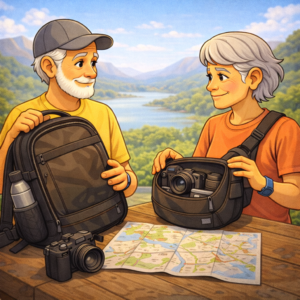
Many travelers even use both. A backpack for transit days and long walks, and a sling bag for city exploration or short outings.
Internal Resource for Travel Creators
If you are building a lightweight travel setup, you may also want to explore compact camera systems designed for mobility. You can find helpful guidance in related articles on travelcreatorgear.com that focus on travel-friendly camera choices and accessories.
Frequently Asked Questions
Is a camera backpack safer than a sling bag for travel?
A camera backpack can be safer because it distributes weight evenly and often includes lockable zippers, hidden pockets, and rear-facing access panels that are difficult for others to reach without you noticing.
However, sling bags keep gear closer to your body, which can feel more secure in crowded streets or public transportation. Security depends more on smart design choices, awareness, and how you wear the bag than the format itself.
Do professional travel photographers use sling bags?
Yes. Many professional travel photographers rely on sling bags for street photography, city exploration, and fast-paced environments where quick access is essential. Sling bags allow photographers to react instantly to moments without having to stop to remove a backpack.
That said, many professionals switch between sling bags and backpacks depending on the assignment, location, and amount of gear needed on a given day.
Can a sling bag cause shoulder pain?
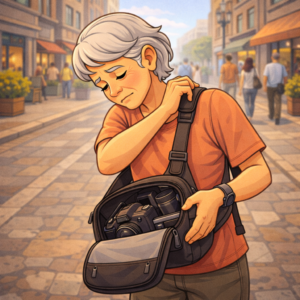
It can if the bag is overloaded or worn for long periods without adjustment. Sling bags work best with lightweight kits and short-to-moderate shooting sessions. Carrying heavy camera bodies or multiple lenses can strain one shoulder over time.
For longer days or heavier gear, backpacks provide better weight distribution and reduce fatigue, especially when walking for hours.
Are camera backpacks allowed as carry-on luggage?
Most travel camera backpacks are designed to meet standard carry-on size limits, making them suitable for overhead bins on most airlines. However, size restrictions vary by airline, especially on international or budget carriers, so it is always wise to check before flying.
Sling bags almost always fit under seats, making them a safe choice for stricter carry-on situations.
Should beginners choose a backpack or a sling bag?
Beginners often benefit from sling bags because they encourage lighter kits and faster shooting without overwhelming gear choices. Sling bags make photography feel more approachable and reduce decision fatigue while learning.
Backpacks become more useful as experience grows and gear collections expand. Starting simple helps build confidence before moving to larger, more complex carry systems.
Is it worth owning both?
For many travel photographers, yes. Owning both a backpack and a sling bag allows you to choose the right tool for each day of travel. Some days call for carrying everything, while others only require a camera and one lens.
Matching your bag to your shooting plan improves comfort, efficiency, and overall enjoyment while traveling.

Final Thoughts on Camera Backpack vs Sling Bag for Travel Photography
There is no universal winner in the camera backpack vs. sling bag debate for travel photography. The best choice depends on how you move, how much you carry, and how you shoot.
Backpacks reward endurance and preparation. Sling bags reward speed and spontaneity. Choose the option that reduces friction on your travel days and keeps your camera in your hand rather than in your bag.
When carrying your gear feels effortless, better photos and videos follow naturally.
Ongoing Education
- Get brand-specific guidance in Canon’s Learning Center.
- Browse technique articles in Nikon Learn and Explore.