
Best Travel Cameras 2026 for Photographers (Mirrorless & Full-Frame)
Best Travel Cameras 2026 for Photographers (Mirrorless & Full-Frame)
Travel photography in 2026 is no longer just about capturing where you went. It is about capturing how it felt to be there. As a photographer, you are expected to produce images that feel intentional, sharp, and emotionally grounded, whether you are shooting landscapes, city scenes, portraits, or editorial-style travel stories. That expectation puts pressure on your gear choices, especially when you are traveling light.

Choosing the right travel camera today is harder than it was even a few years ago. Mirrorless systems have matured, full-frame bodies are more compact than ever, and every manufacturer claims their latest release is the perfect balance of portability and performance. If you are feeling overwhelmed by specs, lens ecosystems, and price tiers, you are not alone.
This guide is built specifically for photographers who travel and want dependable results without carrying excessive gear. You will learn what actually matters when selecting Travel Cameras 2026 for Photographers, how mirrorless and full-frame options compare for real-world travel use, and which specific models offer the strongest balance of image quality, reliability, and portability.
Why Travel Photographers Need Purpose-Built Cameras in 2026
Travel photography pushes your equipment harder than almost any other genre. You are dealing with changing light, unpredictable weather, fast movement, and limited opportunities to reshoot moments. A camera that performs well in controlled environments can struggle quickly when you are moving through airports, climbing hills, or shooting in crowded streets.

Modern travel cameras must do more than deliver resolution. They need to start quickly, focus accurately, handle dynamic lighting, and remain comfortable to use over long days. Reliability becomes just as important as raw image quality when you are far from home and cannot afford gear failure.
Mirrorless and full-frame systems dominate travel photography in 2026 because they deliver professional results in smaller bodies. However, not every model is well-suited for travel. Understanding how to prioritize features is the key to avoiding expensive mistakes.
What to Prioritize When Choosing Travel Cameras 2026 for Photographers
Before comparing specific models, it helps to reset expectations. The best travel camera is not the one with the longest spec list. It is the one that fits your shooting style, endurance, and travel rhythm.
Image Quality That Holds Up Across Environments
Travel photography often includes harsh midday sun, deep shadows, indoor scenes, and golden-hour transitions all in the same day. Your camera should deliver:
-
Strong dynamic range for highlights and shadows
-
Clean files at higher ISOs
-
Consistent color rendering across lighting conditions
Full-frame sensors still offer an advantage here, but modern APS-C mirrorless cameras have significantly narrowed the gap.

Autofocus That Works in Real Situations
Fast, accurate autofocus is no longer optional. Street scenes, fleeting expressions, wildlife moments, and candid portraits demand reliable subject tracking.
Look for:
-
Eye and face detection that works quickly
-
Reliable continuous autofocus
-
Minimal hunting in low light
These features matter far more than theoretical burst speeds for travel work.
Portability Without Sacrificing Ergonomics
A camera can be compact but still uncomfortable to use for hours. Travel cameras should balance size with grip comfort, button placement, and weather resistance.
You want:
-
A body that feels stable with small to mid-sized lenses
-
Weather sealing for dust and moisture
-
Controls that do not require menu diving
If a camera feels awkward, you will use it less.
Battery Life and Power Management
Travel days are long. Constant charging is frustrating when outlets are scarce.
Prioritize:
-
Efficient battery systems
-
USB-C charging support
-
The ability to carry spare batteries easily
A camera that lasts through a full day of shooting is far more valuable than one that requires constant attention.
Mirrorless vs Full-Frame for Travel Photography
In 2026, most travel photographers choose between mirrorless APS-C systems and full-frame mirrorless systems. Each has strengths depending on how you shoot.
Mirrorless APS-C Travel Cameras
APS-C cameras offer lighter bodies, smaller lenses, and lower overall system weight. They are ideal if you hike frequently, shoot casually between locations, or want a discreet setup.
Strengths include:
-
Reduced size and weight
-
Longer effective reach for telephoto lenses
-
Lower cost of lenses
Trade-offs include slightly reduced low-light performance and depth-of-field control compared to full-frame systems.
Full-Frame Travel Cameras
Full-frame cameras deliver the highest image quality, better low-light performance, and greater tonal depth. They are favored by photographers producing large prints, commercial work, or editorial-quality travel imagery.
Strengths include:
-
Superior dynamic range
-
Better subject separation
-
Cleaner files in challenging light
The trade-off is increased system weight and higher lens costs, which must be managed carefully for travel.
Best Travel Cameras 2026 for Photographers
The following cameras represent strong choices for photographers who want performance without unnecessary bulk. Each option balances image quality, reliability, and portability.
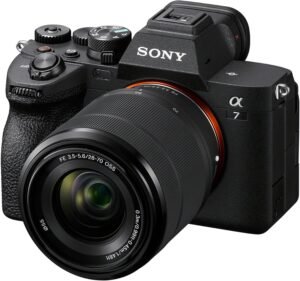
Sony Alpha a7 IV
Style: Full-Frame Mirrorless
Manufacturer: Sony
✅ Get Customer Reviews & Best Price
Pros:
-
Excellent full-frame sensor with strong dynamic range
-
Advanced autofocus with reliable subject tracking
-
Compact body relative to performance
-
Strong lens ecosystem for travel
Cons:
-
Menus can feel complex for new users
-
Full-frame lenses add weight quickly
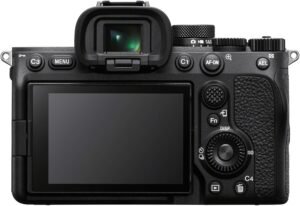
Beyond specifications, the Sony Alpha a7 IV fits particularly well into mixed travel scenarios where your shooting conditions change rapidly. You may move from bright outdoor landscapes to indoor markets or evening street scenes within minutes. The camera’s sensor and processing pipeline handle these transitions smoothly, reducing the need for constant exposure corrections.
For travel photographers working in unfamiliar locations, the autofocus reliability adds confidence. You spend less time double-checking focus and more time composing. The body size strikes a useful middle ground, compact enough for daily carry yet substantial enough to balance comfortably with mid-range zoom lenses.
Sony’s extensive lens ecosystem also makes it easier to build a travel kit that matches your style. Whether you favor lightweight primes or versatile zooms, the system offers flexibility without compromising image quality.
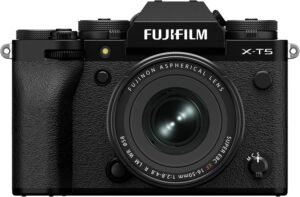
Fujifilm X-T5
Style: APS-C Mirrorless
Manufacturer: Fujifilm
✅ Get Customer Reviews & Best Price
Pros:
-
High-resolution APS-C sensor
-
Excellent color science for travel photography
-
Compact body with strong ergonomics
-
Lighter lenses compared to full-frame systems
Cons:
-
Smaller sensor limits extreme low-light flexibility
-
Video features are secondary for photographers
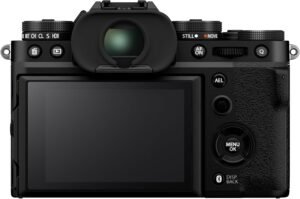
The Fujifilm X-T5 encourages a more deliberate approach to travel photography, which many photographers find refreshing in busy environments. Its physical dials and tactile controls help you adjust exposure intuitively, even when shooting quickly. This can be especially useful when working in bright sunlight or fast-changing street scenes.
Because the APS-C system keeps lenses smaller and lighter, the overall kit remains manageable for long walking days. This matters when you are exploring cities on foot or hiking to scenic viewpoints. Carrying less weight often leads to shooting more consistently, which improves storytelling over the course of a trip.
The X-T5 also appeals to photographers who value cohesive color output. Its files tend to require minimal adjustment to achieve pleasing tones, which helps streamline editing workflows while traveling.
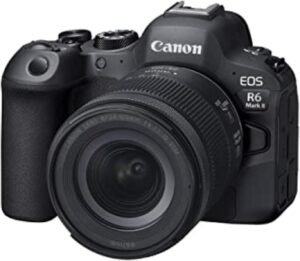
Canon EOS R6 Mark II
Style: Full-Frame Mirrorless
Manufacturer: Canon
✅ Get Customer Reviews & Best Price
Pros:
-
Excellent low-light performance
-
Fast and reliable autofocus
-
Comfortable ergonomics for long shooting days
-
Strong weather sealing
Cons:
-
Lower resolution than some competitors
-
RF lenses can be expensive
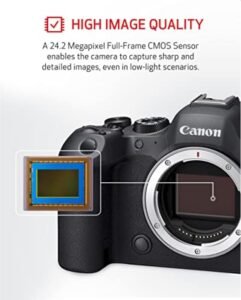
The Canon EOS R6 Mark II excels in situations where speed and reliability are critical. Travel photography often involves fleeting moments such as candid expressions, street interactions, or brief changes in light. This camera’s autofocus system handles those moments confidently, reducing missed shots.
Its ergonomic design plays a larger role than specs alone might suggest. During long shooting days, a comfortable grip and logical button layout reduce fatigue and frustration. This makes the camera easier to use for extended periods without having to constantly adjust your grip or posture.
While resolution is modest compared to some competitors, the overall image quality remains strong. The camera prioritizes clean files and consistent performance, which is often more valuable than extreme resolution when editing and delivering travel imagery.
Nikon Z6 II
Style: Full-Frame Mirrorless
Manufacturer: Nikon
✅ Get Customer Reviews & Best Price
Pros:
-
Solid build quality
-
Strong dynamic range
-
Reliable performance across genres
-
Good balance of size and capability
Cons:
-
Autofocus improvements lag slightly behind competitors
-
Smaller native lens selection
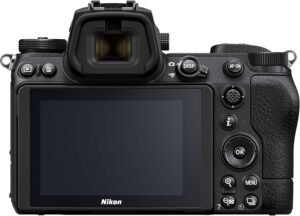
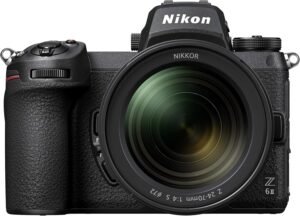
The Nikon Z6 II appeals to photographers who prefer a balanced, straightforward shooting experience. It does not rely heavily on complex automation, which allows you to maintain control over exposure and composition. This can be beneficial in travel situations where lighting conditions vary dramatically.
Its build quality inspires confidence when shooting in unpredictable environments. Dust, light rain, and temperature changes are common during travel, and having a camera that feels solid reduces hesitation when conditions are less than ideal.
The Z6 II integrates well into workflows that emphasize consistency. Its files are flexible during post-processing, making it easier to maintain a cohesive look across an entire travel series. For photographers who value reliability over novelty, this camera remains a dependable option.
OM System OM-1
Style: Micro Four Thirds Mirrorless
Manufacturer: OM System
✅ Get Customer Reviews & Best Price
Pros:
-
Extremely lightweight system
-
Excellent weather sealing
-
Strong stabilization
-
Ideal for outdoor travel
Cons:
-
Smaller sensor limits extreme depth control
-
Not ideal for heavy low-light shooting
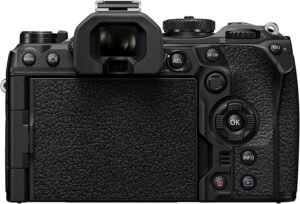
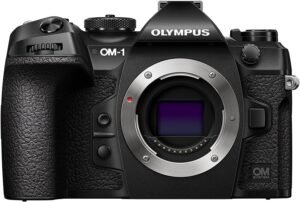
The OM-1 stands out for photographers who prioritize mobility above all else. Long hikes, remote travel, and outdoor-heavy itineraries benefit from a lightweight system that does not compromise handling. Carrying less weight often means you are more willing to bring your camera everywhere, which leads to better coverage of your journey.
Its strong stabilization system helps offset the smaller sensor size, especially when shooting handheld in low light or uneven terrain. This allows you to capture sharp images without a tripod when setting one up is impractical.
The camera’s weather sealing is particularly valuable for adventure travel. Whether you are dealing with humidity, mist, or sudden weather changes, the OM-1 remains reliable. It is well-suited for photographers who prioritize durability and endurance over maximum sensor size.
Use Our Decision Tool
We created this quiz to help you select the best travel camera for your needs. Just answer the 7 questions, and the tool will recommend a mirrorless or full-frame camera for your unique situation.
🎯 Find Your Perfect Travel Camera
Answer 7 quick questions to discover which camera matches your travel photography style
Accessories That Improve Travel Photography
Accessories often improve your results more than upgrading camera bodies.
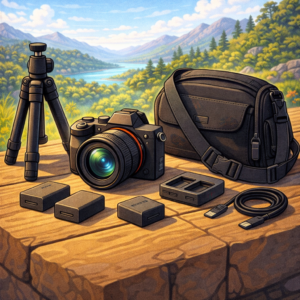
Travel Tripod
-
Lightweight carbon fiber design
-
Compact folding profile
-
Stable enough for long exposures
Extra Batteries and Compact Charger
-
Reduces downtime
-
Allows all-day shooting
-
Essential for remote locations
Weather-Resistant Camera Sling
-
Keeps gear accessible
-
Distributes weight comfortably
-
Protects equipment during movement

How to Choose the Right Camera for Your Travel Style
When selecting Travel Cameras 2026 for Photographers, ask yourself:
-
Do you prioritize mobility or maximum image quality?
-
Do you print large images or primarily publish online?
-
Are your travel days long and physically demanding?
-
How much weight are you willing to carry daily?
The best camera is the one that fits your real travel habits, not just your aspirations.
Frequently Asked Questions
Is full-frame necessary for travel photography in 2026?
Full-frame cameras are not strictly necessary for travel photography in 2026, but they do offer advantages that matter for certain shooting styles. Full-frame sensors typically deliver better dynamic range, smoother tonal transitions, and cleaner files in low-light situations.
This can be important if you frequently shoot at sunrise or sunset, indoors, or in unpredictable lighting conditions.
That said, modern APS-C and Micro Four Thirds cameras have improved significantly. In good light, many produce results that are difficult to distinguish from full-frame images, especially for online publishing and moderate print sizes.
For many travelers, the reduced size, lighter lenses, and lower system cost of non-full-frame cameras provide a better overall experience. The decision should be based on how often you shoot in challenging light and how large you plan to display your images.
Are mirrorless cameras reliable for long trips?
Modern mirrorless cameras are highly reliable for extended travel, and by 2026, they will be fully established as professional tools. Early concerns about battery life and durability have largely been addressed through improved power efficiency, weather sealing, and stronger body construction.
Many mirrorless cameras are now designed to withstand dust, humidity, and temperature changes commonly encountered during travel.
Reliability also depends on preparation. Carrying spare batteries, using high-quality memory cards, and keeping firmware up to date all contribute to a smoother experience.
Mirrorless systems also benefit from reduced mechanical complexity compared to DSLR systems, which can mean fewer failure points. For most travelers, a well-maintained mirrorless camera is more than capable of handling long trips across multiple environments without issue.

How many lenses should you travel with?
Most travel photographers find that carrying fewer lenses leads to better results and less fatigue. A common and effective setup includes one versatile zoom lens and one small prime lens.
A wide-to-standard zoom covers landscapes, city scenes, and environmental portraits, while a compact prime offers better low-light performance and subject separation.
Carrying too many lenses often slows you down and increases the chance of missing moments while switching gears. It can also add unnecessary weight, which becomes noticeable over long travel days.
The goal is flexibility without overload. Before a trip, consider the type of scenes you expect to encounter most often and choose lenses that align with that vision. A simple kit encourages consistent shooting and keeps your focus on composition and storytelling rather than equipment choices.
Is weather sealing important?
Weather sealing is one of the most underrated features for travel photography. Even if you do not plan to shoot in extreme conditions, travel often exposes your camera to light rain, dust, humidity, and sudden weather changes.
A weather-sealed body provides peace of mind and reduces the need to constantly protect your camera during movement.
Weather sealing does not make a camera waterproof, but it does add resilience during unexpected situations such as sea spray, light drizzle, or dusty roads. For travelers who move frequently between environments, this protection can prevent long-term damage and reduce stress.
When paired with weather-sealed lenses, it lets you keep shooting even in less-than-ideal conditions, which often yields more authentic travel imagery.

Should you prioritize resolution or autofocus?
For travel photography, autofocus reliability is generally more important than extreme resolution. While high-resolution sensors enable larger prints and greater cropping flexibility, they do not compensate for missed focus.
Travel photography often involves fleeting moments, moving subjects, and candid scenes where autofocus performance directly affects your success rate.
Reliable autofocus keeps faces, eyes, and key subjects sharp, even when you are shooting quickly or in changing light. High-resolution files are only valuable if they are consistently in focus.
Many modern cameras offer more than enough resolution for travel use, especially for online platforms and standard prints. Prioritizing autofocus yields more usable images overall, which is ultimately more valuable than the highest pixel count.
Are smaller sensors limiting?
Smaller sensors are far less limiting than they once were, especially for travel photography. Advances in sensor technology, image processing, and lens design have significantly improved the performance of APS-C and Micro Four Thirds systems.
In good lighting conditions, these cameras produce excellent image quality with strong color, detail, and sharpness.
Smaller sensors also offer practical advantages. Lenses are lighter and more compact, making them easier to carry for long periods. Increased depth of field can be beneficial for landscapes and street photography, where keeping more of the scene in focus is often desirable.
While extreme low-light performance and shallow depth-of-field effects favor full-frame systems, smaller sensors remain a highly capable and often more travel-friendly choice for many photographers.
Final Thoughts
Choosing the right travel camera in 2026 is about balance. You want equipment that supports creativity without becoming a burden. When your camera feels reliable, comfortable, and intuitive, you focus more on storytelling and less on settings.
The best Travel Cameras 2026 for Photographers are the ones that earn their place in your bag by performing consistently wherever your journey takes you.
Ongoing Education
- Get brand-specific guidance in Canon’s Learning Center.
- Browse technique articles in Nikon Learn and Explore.